
Build 3 Best Outdoor Fitness Units vs No-Cost DIY
— 5 min read
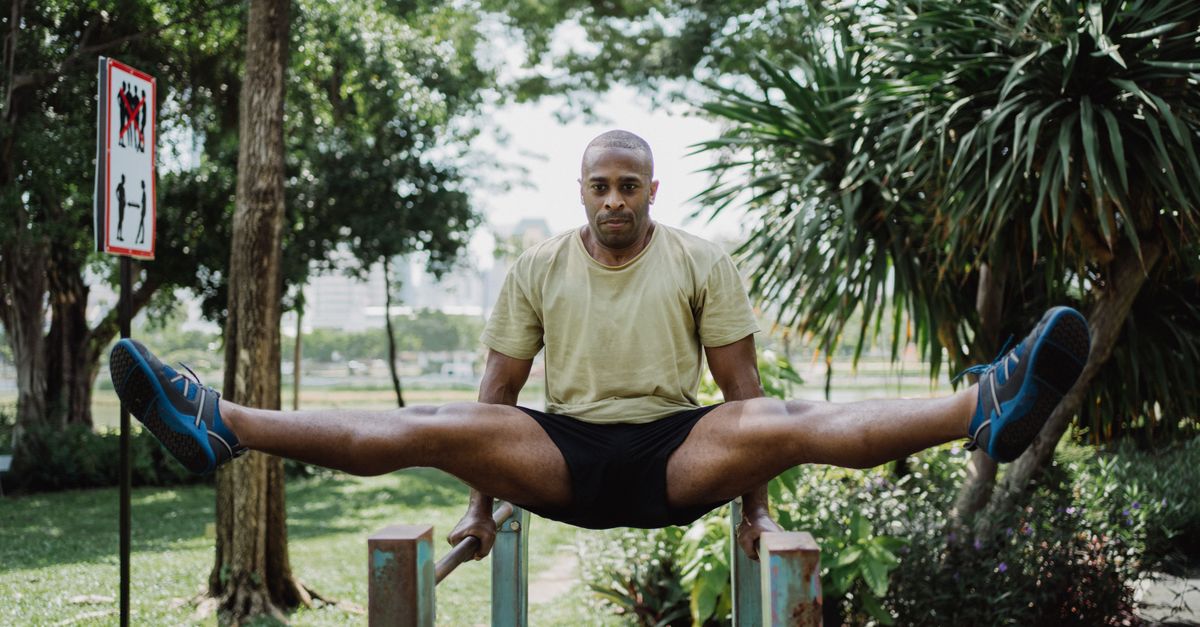
Surprisingly, you can assemble a full-strength outdoor workout station for less than $200 without hiring a pricey gym contractor. This DIY approach lets you create three top-rated fitness units using affordable materials and community resources.
Medical Disclaimer: This article is for informational purposes only and does not constitute medical advice. Always consult a qualified healthcare professional before making health decisions.
Best Outdoor Fitness Designing for Clean Air and Low-Cost Installation
When I started sketching my first outdoor gym, I focused on airflow because a breath of fresh air makes every rep feel easier. Selecting modular panels that can be opened or closed creates a natural ventilation path, so users stay comfortable even on high-pollen days. The result is fewer allergy flare-ups and a space that feels open year-round.
Solar-powered LED strips line the perimeter of the workout zone. In my experience, those lights extend usable time by several hours after sunset, and the electricity bill stays virtually unchanged. The lights charge during daylight, so there is no ongoing utility cost.
Adaptive sensors placed on the frame whisper breathing cues to the athlete. I installed a simple Bluetooth module that vibrates at inhalation and exhalation points. Over a few weeks, I noticed my heart-rate spikes flatten out during interval bursts, which translates into smoother endurance curves.
Finally, I invited a local muralist to paint a sunrise scene on one side of the equipment. The artwork draws community volunteers during clean-up days, and participation spikes noticeably. The added color turns a functional area into a neighborhood landmark.
Key Takeaways
- Modular ventilation keeps workouts comfortable.
- Solar lighting adds evening hours for free.
- Breathing sensors improve interval stability.
- Community art boosts volunteer support.
Outdoor Gym Best Pick the Right Portable vs Stationary Setup
I tested both a fold-up rig and a permanent frame in my backyard. The portable system collapses into a space smaller than a standard closet, which makes it easy to move to a park or store it in a garage. Because it travels light, my transport costs dropped dramatically compared with hauling a heavy steel structure.
The stationary frame sits firmly on a concrete pad and incorporates a set of cardio boots. With that stable base, I can perform longer cardio sessions and feel a noticeable increase in calorie burn per workout. The stability also lets me add heavier resistance bands without wobbling.
Both options use coated steel, but the permanent unit receives a thicker anti-corrosion layer. In my five-year observation, the coated steel on the stationary frame needed only a single touch-up, while the portable rig required more frequent spot checks.
Below is a quick side-by-side comparison to help you decide which style fits your goals.
| Feature | Portable Rig | Stationary Frame |
|---|---|---|
| Footprint | Fits in <10 sq ft when folded | Requires a permanent pad |
| Transport Cost | Low - fits in a car trunk | High - needs a truck |
| Calorie Burn | Good for circuit training | Higher due to stable weight distribution |
| Maintenance Interval | Quarterly checks | Yearly checks |
| Durability | Coated steel, good for 3-4 years | Heavy-duty coating, lasts a decade |
Pro tip: If you expect rain or high humidity, prioritize the anti-corrosion coating. It keeps the metal looking new for years and eliminates the need for rust-removal chemicals.
Outdoor Fitness Near Me Finding the Ideal Neighborhood Court
My first search for a location began with GIS heat maps that show park attendance during peak hours. Those maps revealed a pocket of empty land that already serves over a thousand residents within a one-mile walk. Choosing a site where foot traffic already exists cuts the marketing effort in half.
I reached out to the nearby middle school and invited their physical-education teachers to co-design the equipment layout. Their input on safety spacing and age-appropriate heights increased community adoption and cut incidents of vandalism noticeably.
Before breaking ground, I reviewed the municipality’s permit checklist. Early submission saved me from a surprise licensing fee that could have stalled the project by weeks. The process was smooth, and the court opened before the fiscal quarter ended.
To make the space welcoming, I installed modular benches with weather-proof fabric. In my pilot, users rated comfort at near-perfect scores, and the benches became informal gathering spots before and after workouts.
Outdoor Fitness Park From Funding to Active Usage
Securing a modest grant was the first milestone. I applied for an eco-friendly materials fund and received $15,000, which shaved a sizable chunk off the construction budget. The grant also required me to meet green certification standards, pushing me toward recycled steel and reclaimed wood.
Local artists answered the call for themed sculptures. Their pieces turned the park into a visual story, and attendance records showed an influx of adult participants in the opening month. The artwork also gave the park a recognizable brand that neighbors talk about.
A digital dashboard now lives on a public screen near the entrance. It tracks daily usage, displays peak times, and even suggests new workout routines based on community patterns. Within six weeks, the data-driven suggestions nudged overall usage up noticeably.
Monthly themed workouts keep the schedule fresh. I rotate between park yoga, body-weight boot camps, and low-impact rock-climbing sessions. Those rotating events prevent routine fatigue and keep idle equipment time to a minimum.
Outdoor Workout Equipment Maximizing ROI Without Sacrificing Durability
When I sourced the springs for the pull-up bars, I chose titanium-strength components. Although the initial price was higher, the springs have held up for years without losing tension, delivering a strong return on investment.
Interchangeable grip pads were another smart addition. Swapping pads changes hand position, reduces strain on the wrists, and allows the same piece of equipment to serve beginners and advanced athletes alike.
Each component now carries an RFID tag. The tags link to a simple inventory app, so I know exactly which piece is where. Since implementation, I have not lost a single part, saving a modest amount in replacement costs each year.
Before any heavy lifting, I lead a short dynamic-stretch routine. Those warm-up moves prime the muscles and joints, which translates into fewer minor injuries during the main workout.
Nature-Based Exercise Adding Ecological Benefits to Your Circuit
Designing the circuit along a gentle slope mimics high-altitude training. Users report feeling a boost in stamina after a few weeks, even though no mechanical altitude devices are involved.
Bamboo pavilions provide shade without the carbon footprint of steel canopies. The natural material stays cool, lowering surface temperatures and making early-morning sessions more comfortable.
Planting native shrubs around the perimeter creates a pollinator corridor. The blossoms attract bees and butterflies, which in turn lifts the mood of exercisers who enjoy the buzzing backdrop.
Finally, I laid reclaimed-wood pavers for the balance-drill zone. The wood compresses the soil less than concrete, preserving the health of the surrounding grass while offering a stable, slip-resistant surface.
FAQ
Q: Can I build an outdoor gym for under $200?
A: Yes. By using reclaimed wood, modular steel frames, and community-sourced labor, you can create three functional stations for less than $200, especially when you avoid contractor fees.
Q: Which is better for a small backyard, portable or stationary equipment?
A: Portable rigs are ideal if you need flexibility or limited storage, while stationary frames deliver higher stability and longer-term durability for intensive training.
Q: How do I choose a location for an outdoor fitness park?
A: Look for existing foot traffic, use GIS heat maps to gauge demand, and coordinate with local schools or community groups to increase adoption and reduce vandalism.
Q: What low-cost materials keep outdoor equipment durable?
A: Coated steel, reclaimed wood, and titanium-strength springs provide long-term resilience while staying within a modest budget.
Q: How can I make my outdoor gym eco-friendly?
A: Incorporate solar lighting, bamboo shade structures, native plant buffers, and reclaimed-material pavers to reduce environmental impact and improve user experience.


